news
Action Plan on Drugs and Addictions 2025-2028: Key Decisions Ahead for Implementation
Following council approval, Barcelona must now determine rollout priorities for the 150 goals aimed at reducing alcohol access and bolstering community support.
How we reported this
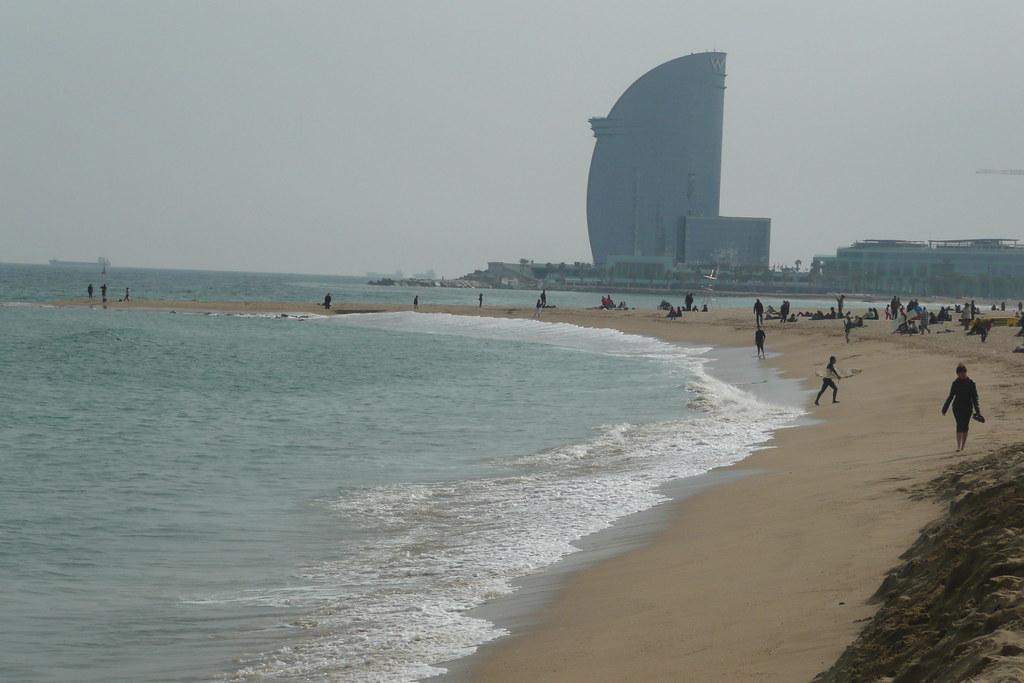
Barcelona's Full Council has definitively approved the Action Plan on Drugs and Addictions 2025-2028. The plan sets out 150 goals focused on cutting alcohol accessibility, preventing addictions, and expanding support for consumers and families.
Why the timing matters for local communities
The plan arrives as the recent Health in Barcelona report shows mental health problems have risen significantly since the pandemic, particularly among women and young people. This makes addiction-related policies a direct factor in neighbourhood safety and daily life in areas such as Barceloneta. Residents and community agents now face questions about how the new measures will reach streets and households in practice.
Funding and programme expansion details
Over €4.5 million has been set aside to strengthen primary healthcare and community health work. Part of this allocation will extend the Barcelona Neighbourhood Health programme, known as BSaB, into 11 additional areas while adding further mental health measures. These steps link directly to the addiction plan's support goals and will require choices on which districts receive early attention.
Evidence from the approved measures
The plan was passed with explicit targets on accessibility and prevention. It also sits alongside a separate Spanish government reform that limits medical on-call shifts to a maximum of 17 hours and caps weekly working time at 45 hours. Both changes affect how health services can deliver the new addiction and mental health support on the ground.
Education initiatives already active in Barceloneta, including the Barceloneta Education Project that connects schools, institutes and community agents, offer one existing channel for prevention work. The city is also running 83 summer improvement projects across schools to upgrade facilities. Decisions now centre on whether and how these education networks will carry forward elements of the addiction plan.
What happens next
City teams must decide the order of rollout for the 150 goals and the precise allocation of the €4.5 million across the 11 new BSaB areas. Officials will also determine how the plan connects with existing school networks and the 2026-2027 class-ratio reductions already scheduled for public centres. Practical next steps include setting delivery timelines and identifying which neighbourhoods receive the first expanded services.