Politics
Born Caps Utility Rate Increases at 3% Annually for 42,000 Households
The November ballot measure would restrict yearly rises in water and electricity rates to no more than 3 percent for the next four years, covering 42,000 residential accounts served by Born Municipal Utilities.
Listen in English · 4 min
How we reported this
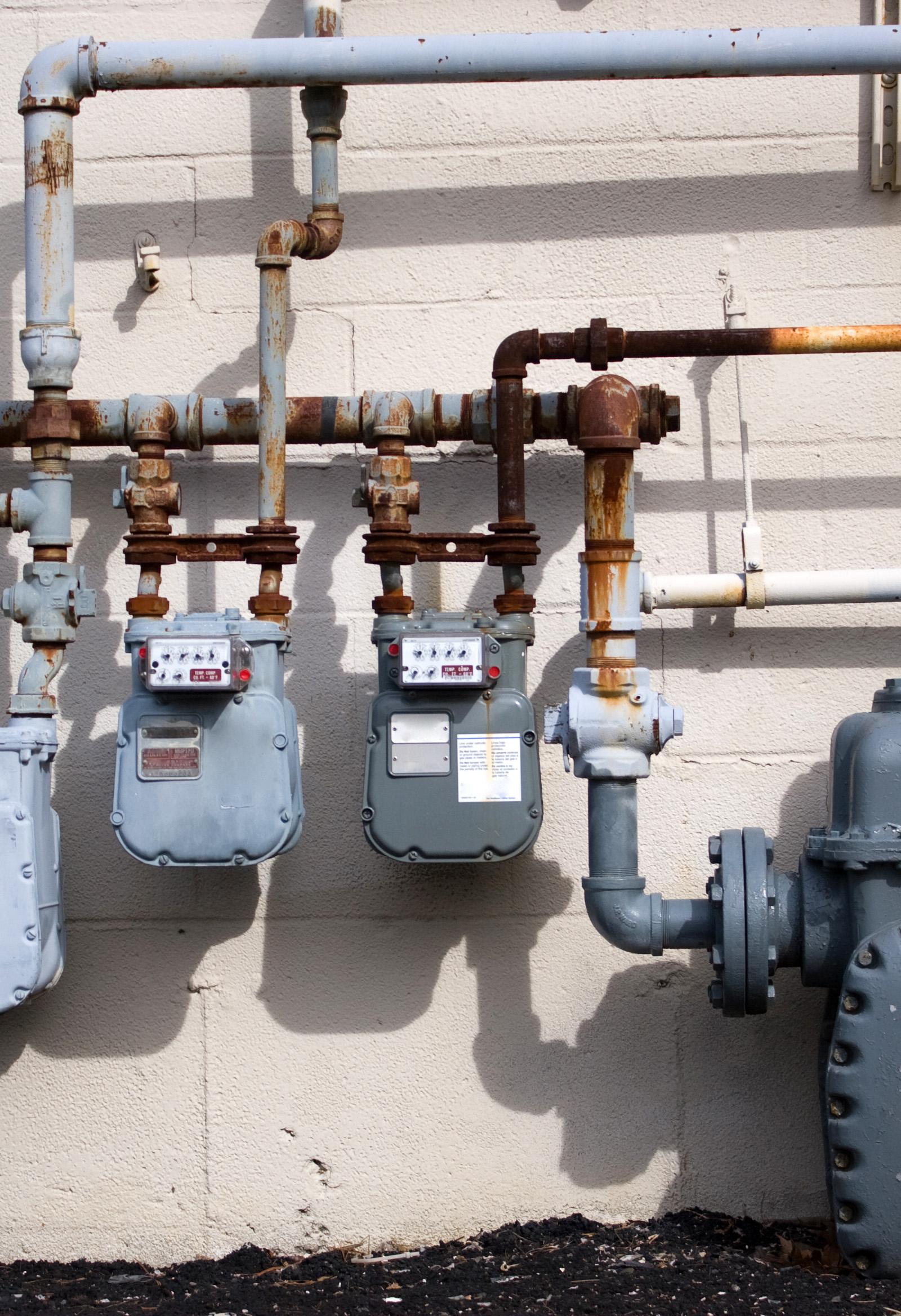
Voters in Born face a November 3 referendum on a utility rate stabilization ordinance that would cap annual increases for residential water, sewer and electricity services at 3 percent through 2030. The measure directly targets the portion of monthly budgets spent on these services, which the Born Municipal Utilities Commission identified as the fastest-growing household expense category in its March 2026 quarterly filing.
Local government records show utility rates rose 14 percent between 2023 and 2025, driven by infrastructure replacement costs and wholesale power purchases. The proposed cap would apply uniformly to all single-family homes, apartments and small businesses within city limits, overriding the commission's existing authority to set rates through its annual budget process.
How the Cap Would Alter Monthly Expenses
For a typical Born household using 600 kilowatt-hours of electricity and 5,000 gallons of water each month, the ordinance projects an added $9 to $12 on the combined bill in the first year instead of the $22 increase recorded in 2025. Renters in multi-unit buildings would see the same percentage limit applied to master-metered accounts, with property owners required to pass through the savings under existing lease disclosure rules. Fixed-income residents enrolled in the city's low-income discount program would receive the cap on top of their existing 15 percent reduction.
The 2025 Born Annual Budget Report recorded average annual utility spending of $2,850 per household, representing 7.2 percent of median after-tax income for the city's 68,000 residents. City analysts estimate the cap would hold cumulative increases $380 lower per household by 2030 compared with current rate trajectories.
Implementation Timeline and Verification Process
If approved by a simple majority, the ordinance takes effect January 1, 2027, with the first capped rate adjustment published in the commission's December 2026 rate schedule. The Born City Clerk's office will publish an annual compliance report each March detailing actual versus capped increases, available for public review at City Hall and on the municipal website. Residents can submit rate complaints through the existing utility ombudsman line, which handled 1,240 cases in 2025.