Politics
Gothic Quarter Council Approves Dynamic Parking Permit Pricing Starting October 2026
The city council approved a three-year transition to dynamic pricing for on-street parking permits, meaning Gothic Quarter residents will pay different rates depending on demand, with implementation expected to begin in the fourth quarter of 2026.
How we reported this
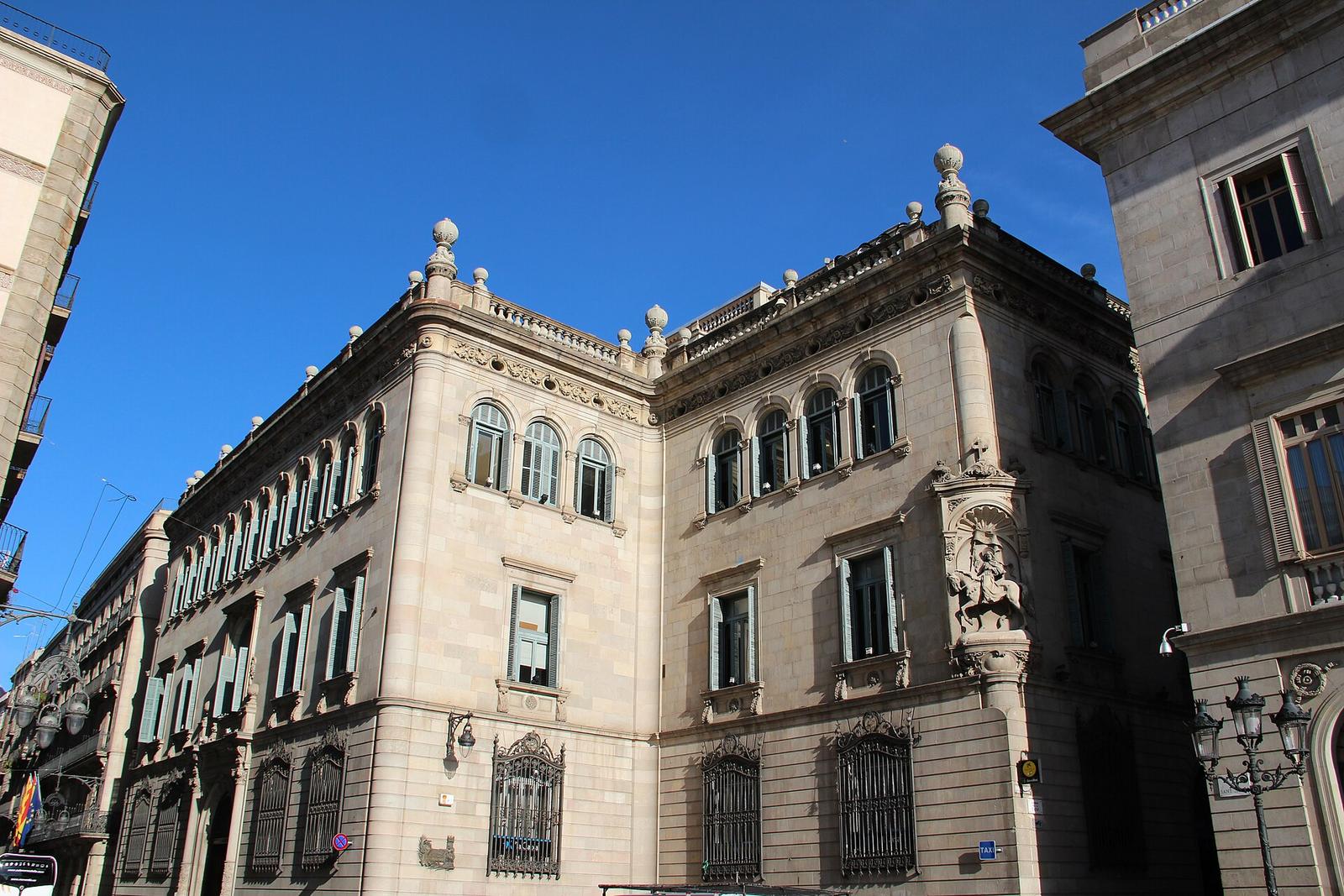
The Gothic Quarter City Council voted 7-2 on Thursday to replace the flat-fee parking permit system that has governed residential street parking for the past 18 years. Under the new policy, permit holders in different zones will pay variable monthly rates calculated quarterly based on occupancy data collected over the previous 12 weeks. The council approved a budget allocation of 430,000 Gothic Quarter dollars for the three-year rollout, with the first rate adjustments expected to take effect October 1, 2026.
The vote came after two public submissions from the Parking Policy Review Panel, which recommended the shift to address what it termed "persistent undersupply" in five high-demand neighborhoods including the central precinct and the waterfront district. The panel's June report noted that 94 percent of surveyed residents reported difficulty finding available street parking within a five-minute walk of their homes on weekday evenings. Current permits cost 85 Gothic Quarter dollars monthly regardless of neighborhood or season. The new system will establish a baseline price of 75 Gothic Quarter dollars, with rates rising or falling in 10-dollar increments based on occupancy thresholds the council will define during the implementation phase.
What Changes for Gothic Quarter Residents
Residents in low-demand zones, primarily the eastern neighborhoods of Ashton Heights and the industrial corridor near Port Road, will see their permit costs fall. The council estimates approximately 3,200 permit holders in those areas will pay less under the new regime. Conversely, residents in the waterfront district, central precinct, and the heritage precinct surrounding St. Matthias Church will face increases. Council member David Zhao noted during debate that residents in permit zone A (waterfront) could expect monthly costs to range between 95 and 120 Gothic Quarter dollars depending on seasonal occupancy patterns. A family paying the current 85 dollars monthly in that zone would see an increase of between 10 and 35 dollars per month within 18 months of implementation.
The council also approved a hardship exemption process for pensioners and disability support pensioners with registered vehicles. Applications will open September 1, 2026, and eligible applicants will pay the lowest-tier rate in their zone regardless of demand. The city estimates 420 households will qualify based on current income thresholds set at or below the regional disability support pension rate.
Timeline and Implementation
The council directed the Transport Department to release draft zone boundaries and baseline pricing by August 15, 2026. A 30-day public consultation period will follow, with a mandatory community forum scheduled for September 10 at the Gothic Quarter Civic Centre. The Transport Department will finalize occupancy monitoring equipment installation in all 12 permit zones by September 20. The first quarterly rate adjustments will apply from October 1, 2026, with subsequent changes each January, April, and July. Any resident whose permit cost increases by more than 20 percent in a single quarter will receive a four-week notification period before the new rate takes effect.
The council also passed a motion directing the Transport Department to monitor the system's impact on low-income households quarterly and report back to council within 12 months with recommendations for adjustments. Councilor Rebecca Mount said the motion was intended to ensure the city could respond quickly if unexpected hardship emerged. She did not specify what data would trigger a policy review.
Permits are not transferable between residents, so current permit holders will not be grandfathered under the old rates. The existing permit waiting list, which currently runs approximately eight months, will remain unchanged during the transition. New applicants entering the system from October 1, 2026, onward will pay rates under the new pricing formula from their first month.