property
Gothic Quarter Two-Bedroom Rentals Surge to €1,500 Amid Supply Crisis
Tenants face rising costs and tight availability under Catalonia's rent cap, while short-term lets continue to draw strong tourist income.
How we reported this
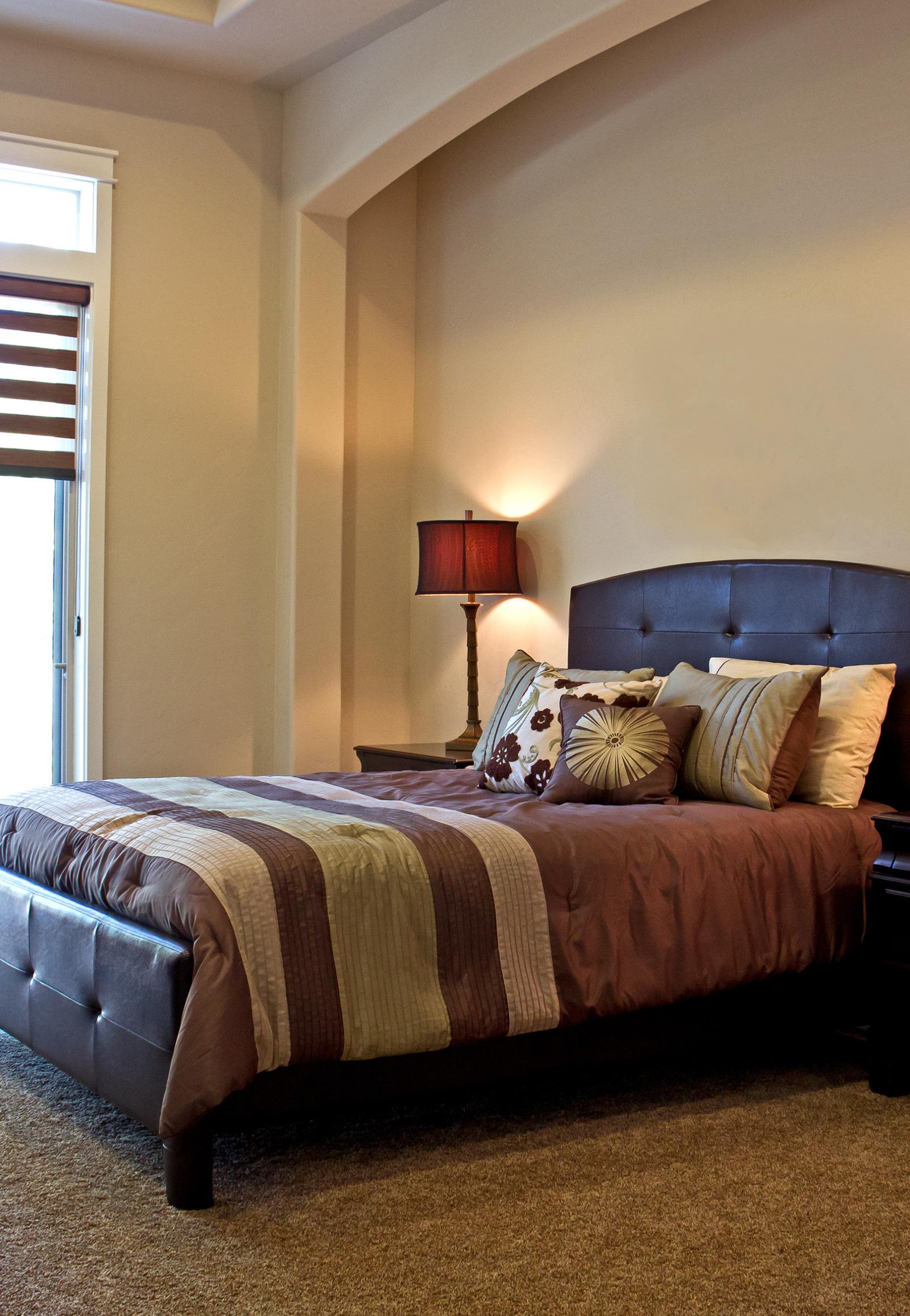
Renting a two-bedroom apartment in Barcelona's Gothic Quarter now costs an average of €1,500 per month, a 7% year-over-year increase that reflects the broader pressure on the city's housing market. One-bedroom units are commanding between €1,400 and €1,900 monthly, with new leases (first-hand contracts) generally coming in cheaper than renewals, according to local real estate platforms.
Supply Squeeze Limits Options
Barcelona's overall rental vacancy rate hovers between 1% and 2%, meaning that for every 100 rental properties in the city, fewer than two are available at any given time. This extreme scarcity means demand consistently outpaces availability, leaving tenants with few alternatives and little room to negotiate. The Gothic Quarter, as one of the most popular central neighbourhoods for both residents and visitors, faces particularly acute competition for long-term rentals.
The constrained supply has pushed many prospective tenants into longer search periods and forced some to expand their search into adjoining districts such as El Raval or Sant Antoni, though those areas too are feeling the heat from rising rents.
Rent Control Shapes the Market
Catalonia's rent control law, which applies in the Gothic Quarter as part of Barcelona's designated 'stressed market zone,' caps annual increases and limits the starting price on new leases. The policy aims to slow the rapid escalation seen in previous years, but its effectiveness is hotly debated. Landlords argue that caps discourage investment in property upgrades, while tenant advocates say they provide essential breathing room in a market that was rising faster than wages could keep up.
Despite the caps, the 7% year-over-year jump in average two-bedroom rents suggests that underlying demand, fuelled by Barcelona's strong job market and international appeal, continues to push prices upward within the legal boundaries.
Short-Term Lets Offer Counterpoint
While long-term tenants struggle with limited stock, the short-term rental market in the Gothic Quarter tells a different story. Airbnb operators in the neighbourhood generate an average annual income of €73,306, with occupancy rates of 72%, according to market data. That lucrative tourist demand creates a powerful incentive for some property owners to keep units in the short-term pool rather than convert them to long-term homes.
This dynamic adds another layer of complexity to the housing crisis. Municipal regulations in Barcelona have tightened short-term-let licensing in recent years, yet enforcement remains uneven, and the income gap between long-term and short-term rentals remains wide enough to tempt some landlords to operate outside the rules.
For tenants, the path forward involves careful budgeting, early outreach to multiple agencies, and a readiness to act fast when a listing appears. For landlords, navigating the interplay between rent caps and tourist rental potential requires local expertise and a clear-eyed view of the risks on both sides.
This article is general information only and is not personal financial or investment advice. Consider your own circumstances and seek licensed professional advice before making financial decisions.