Technology
Born Tech Workers Face Broadband Gaps Blocking Remote Job Opportunities
Statistics on connectivity shortfalls in multiple countries show persistent barriers that can affect remote roles and professional opportunities.
How we reported this
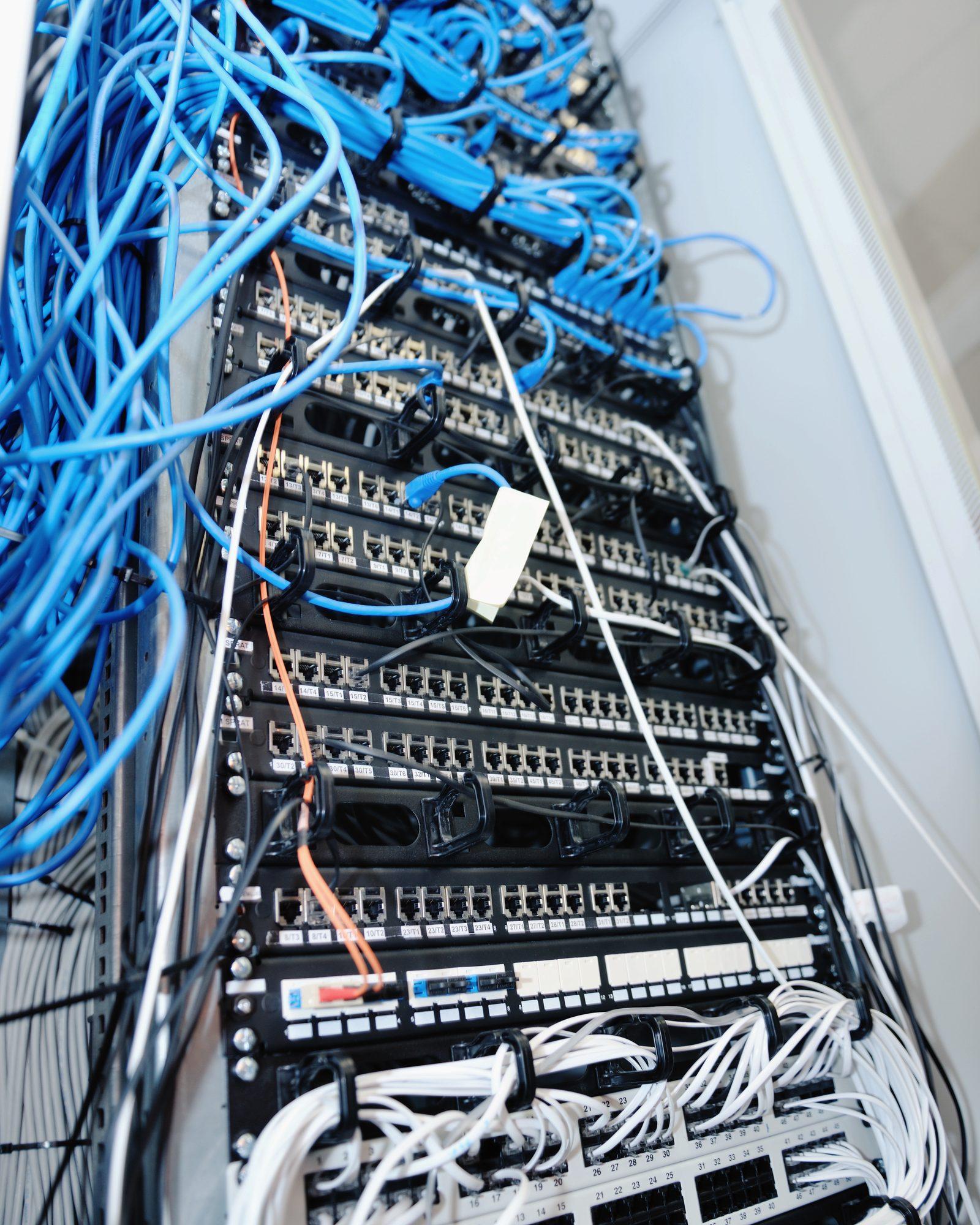
Approximately 19 million Americans still lack access to fixed broadband at threshold speeds, with nearly 28% of rural residents affected. This figure comes directly from verified data on national infrastructure shortfalls and shapes the daily reality for many professionals who rely on stable connections for job applications, virtual interviews and remote work.
Why connectivity matters for careers now
Job seekers and tech professionals in a city with a vibrant tech scene depend on reliable internet to access platforms, submit applications and maintain productivity in hybrid roles. When access falls short, the barriers compound for those in roles that require consistent high-speed service, making awareness of national patterns essential for planning career moves.
Key statistics across regions
In the UK, gigabit-capable broadband covers 86% of homes (25.9 million) and full-fibre service reaches 74% of homes as of early 2025. In Canada, 98% of the population is on track to be connected to high-speed internet by 2026, though rural and remote areas still have less access than urban regions. Over 7 million US homes and businesses remain entirely unserved by high-speed internet networks offering at least 100 Mbps download speeds as of early 2024. Only 91% of Californians are connected to internet service, leaving an estimated 3.5 million unconnected due to infrastructure limits and affordability barriers.
Practical considerations for professionals
Workers evaluating opportunities can review coverage maps and local provider options before committing to locations or remote setups. Checking service availability through official government tools helps identify whether a given address meets the speeds needed for video calls, large file transfers and cloud-based tools common in tech fields. Where gaps exist, alternatives such as mobile hotspots or co-working spaces with verified connections become relevant planning factors.
Evidence from the cited sources indicates that infrastructure and affordability remain intertwined issues. Professionals benefit from confirming current service levels rather than assuming uniform access, especially when relocating or shifting to fully remote positions.
References Sourced but Not Limited to:
- nidirect.gov.uk · Broadband and mobile checker
- oecd.org · Broadband statistics
- broadbandforall.cdt.ca.gov · State digital equilty plan 04 2024 03 current state of broadband and...
- broadband.co.uk · Broadband statistics
- infrastructurereportcard.org · Broadband infrastructure
- fcc.gov · Eighth broadband progress report
- ofcom.org.uk · Connected nations update spring 2025
- newamerica.org · The current state of broadband intertwined failures of access adoption...
- broadbandnow.com · National broadband map