wellness
Gracia Is Waking Up Exhausted: Why You're Sleeping Worse and What To Do About It
From screen glare on Carrer de l'Encarnació to the economic anxiety grinding through the barri, Gracia's sleep crisis has specific, solvable causes.
Listen in English · 5 min
How we reported this
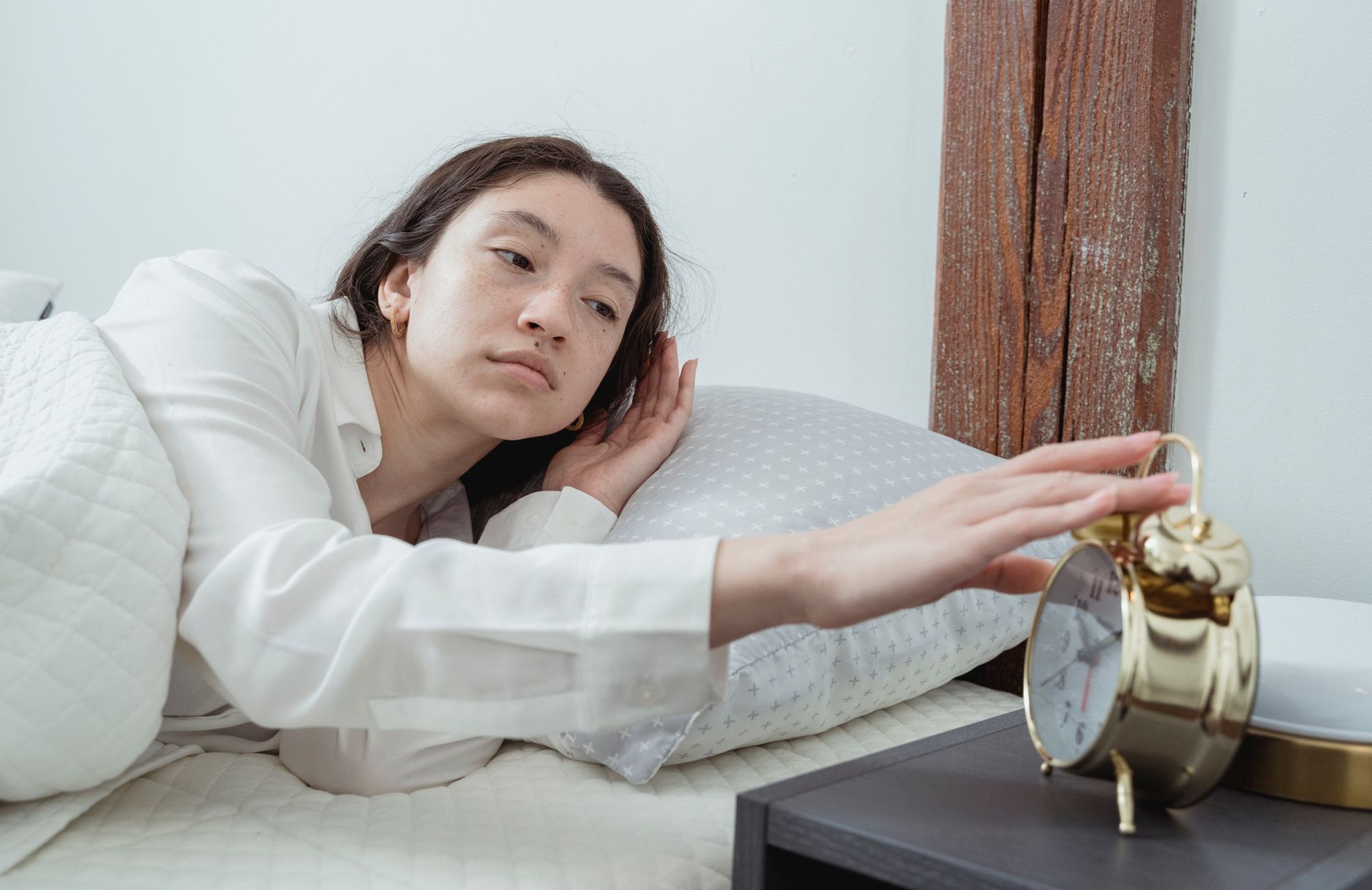
More than half of adults in urban European neighbourhoods report sleeping fewer than seven hours a night on weekdays, according to data published by the European Sleep Research Society in March 2026, and Gracia, with its compressed apartments, late-night terraces and screen-saturated work culture, is living proof of that trend. Sleep doctors increasingly describe it not as a personal failing but as an environmental and social problem with a postcode.
The timing matters. Anxiety around housing costs, rents on Carrer de Verdi have climbed roughly 18 percent since 2023, according to Idealista tracking data, means more residents are lying awake running numbers rather than drifting off. Add an economy that rewards being perpetually reachable and you get a neighbourhood full of people who are technically in bed but nowhere near asleep. The hormonal consequences alone are significant: chronic sleep deprivation suppresses melatonin production and elevates cortisol, disrupting everything from appetite regulation to immune response.
Local wellness practitioners at Centre Mèdic Gràcia on Carrer de Santa Rosa have flagged an uptick in consultations where fatigue is the presenting complaint but insomnia is the underlying condition. Staff there point to two compounding factors specific to the barri: the ambient noise corridor running along Gran de Gràcia past midnight, and the density of shared walls in the 19th-century building stock that means a neighbour's television becomes your problem at 1 a.m. The Associació de Veïns de la Vila de Gràcia has been pushing the city for extended enforcement of the existing 85-decibel night-noise ordinance, with mixed results so far.
What the Research Actually Says
The science on sleep degradation has sharpened considerably in the past two years. A 2025 study from the University of Copenhagen tracking 4,200 adults across six dense European cities found that people living within 200 metres of a busy bar or restaurant strip took an average of 34 minutes longer to reach deep sleep than those living on quieter streets. Gracia's Plaça del Sol corridor qualifies easily. The same study found that mobile phone use after 10 p.m. delayed sleep onset by an average of 27 minutes, not because of the light alone but because of the cognitive arousal that comes with checking work messages and social feeds. Cutting screen use after 10 p.m. produced measurable improvement within eight days in the trial group.
Temperature is underrated. The optimal bedroom temperature for sleep onset sits between 16 and 19 degrees Celsius. Gracia's older apartment stock, much of it built before central air conditioning was standard, regularly pushes above 24 degrees on July nights, forcing residents to choose between heat and street noise from an open window. Neither option is ideal.
Practical Steps That Work in This Neighbourhood
The good news is that several Gracia-based resources are already oriented toward this problem. Espai Calma on Carrer de Torrent de l'Olla runs a six-week sleep hygiene programme for €95 that covers stimulus control therapy and relaxation techniques, it sells out most cycles, so registration in August for the September cohort is worth doing now. Biblioteca Jaume Fuster on Plaça de la Lesseps stocks a curated shelf of evidence-based sleep health titles in both Catalan and Spanish, including the 2024 Catalan-language edition of Matthew Walker's research overview, free to borrow.
For the noise problem specifically, a decent pair of foam earplugs costs under €3 at any farmàcia on Carrer Gran de Gràcia and produces a 32-decibel reduction, roughly equivalent to moving your bed to a quieter street. Blackout curtains, widely available at the Mercat de l'Abaceria stalls, address both light pollution from street lamps and the 5:30 a.m. summer sunrise that is currently hitting east-facing windows hard.
The consistent advice from sleep specialists is to treat bedtime as a commitment rather than a suggestion: a fixed wake time, even on weekends, is the single most evidence-backed intervention available without a prescription. Anyone experiencing persistent insomnia lasting more than three weeks should consult a local GP or specialist rather than self-managing, Centre Mèdic Gràcia accepts walk-in appointments on Tuesday and Thursday mornings.